Basalt & Cedar: The Oregon Coast in Winter
Field Report by Julian Vance • Published December 11, 2024
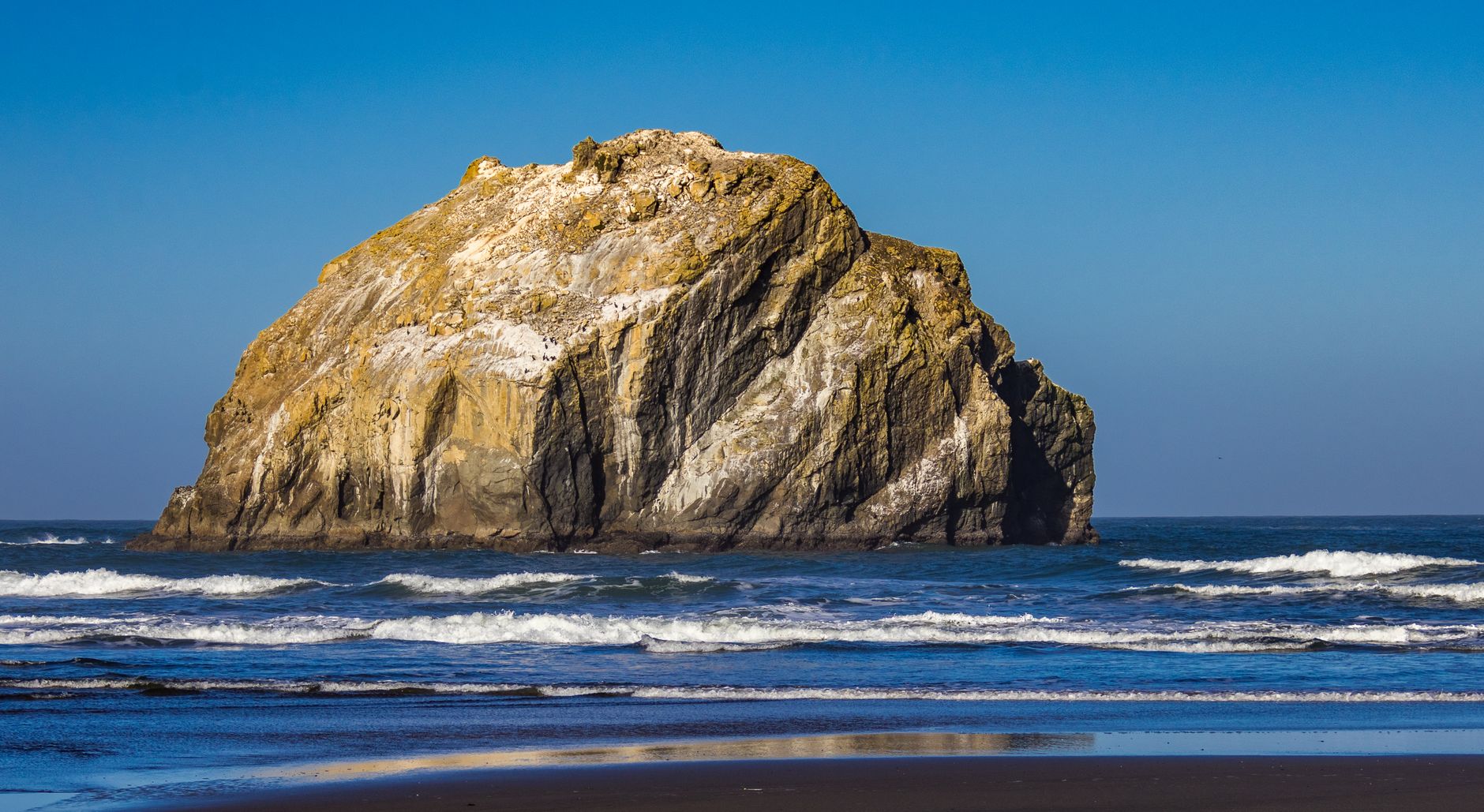
“The Pacific in winter does not bargain; it reminds us of the planet's vast, untamable momentum.”
Along the northern Oregon coastline, between Cape Falcon and the mouth of the Columbia River, winter changes the landscape from a family vacation destination into a moody, theatrical sanctuary. The crowds of July vanish, replaced by low-slung charcoal squalls, smell of wet Western hemlock, and thunderous breakers slamming into ancient volcanic sea stacks.
Architectural Respite: The Cedar Cabin
Here, good lodging is not an afterthought—it is an anchor against the elements. Architecture along this coast favors deeply pitched cedar shakes, broad eaves, and floor-to-ceiling double-glazed windows that frame the surging ocean while wood-burning cast-iron stoves crackle inside.
We spent four days tucked above an inlet near Manzanita. Mornings began with long walks along miles of empty wet sand strewn with bull kelp and smoothed river stones. The tide pools at low water reveal a universe of purple sea stars, anemones, and resilient gooseneck barnacles, thriving in cold nutrient-dense currents.
Field Notes for the Coastal Wanderer
- Respect the king tides: Never turn your back on the Pacific. Sneaker waves can roll logs weighing several tons with astonishing speed.
- Embrace wool and oilskin: Leave synthetic neon parkas at home; a heavy wool sweater and water-resistant shell allow you to sit quietly among spruce stands regardless of squalls.
- Savor local crabbing: Winter marks the peak season for fresh Dungeness crab, pulled daily by small family dories out of Garibaldi marina.
When evening descends at 4:30 PM, the coast envelops you in comforting stillness. With a pot of black tea brewing and rain drumming against the roof, time slows to an exquisite, measured crawl.