Echoes of the High Passes: A Dolomite Solitude
Field Report by Marcus Sterling • Published October 14, 2024
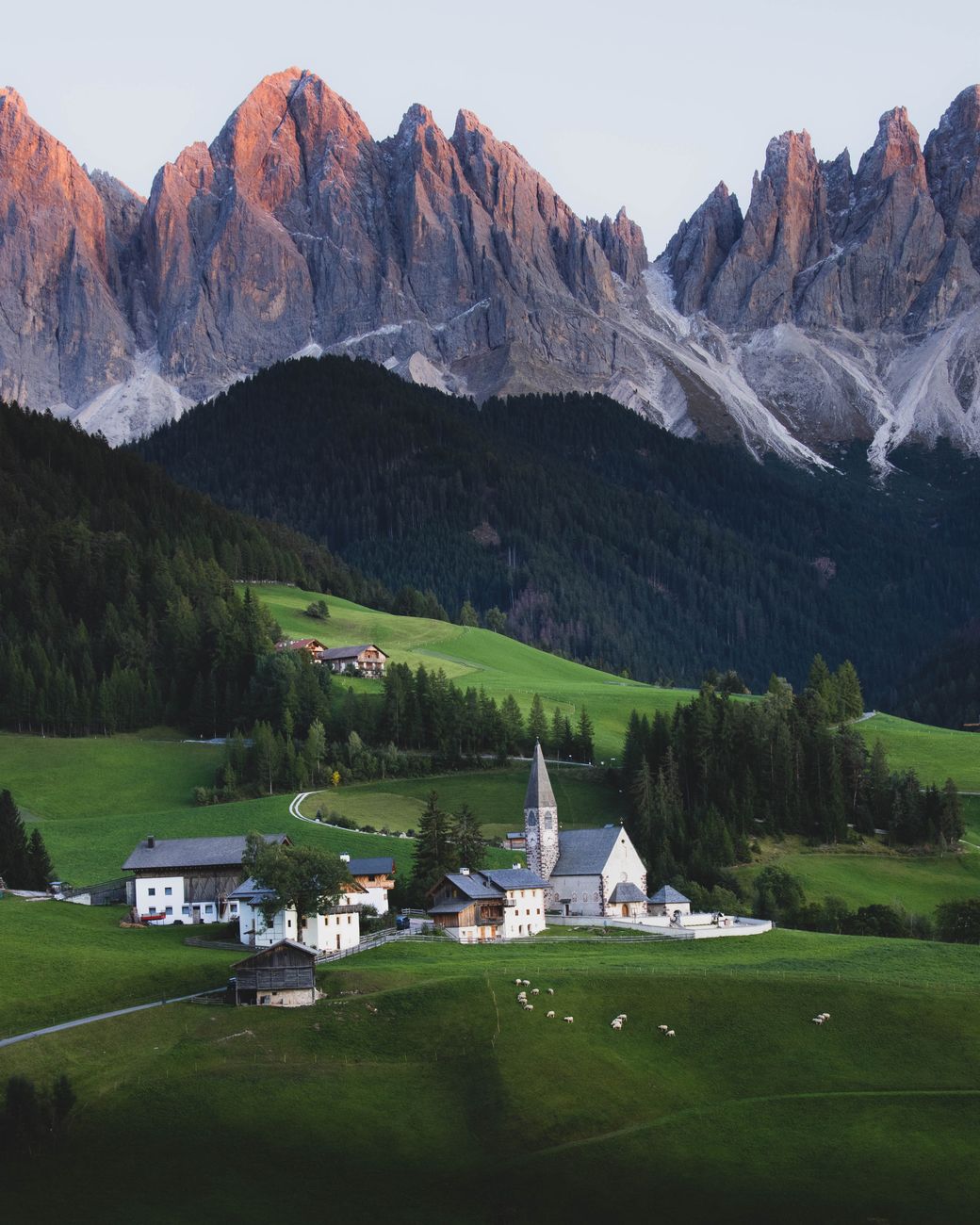
“The mountain does not hurry, and when you place yourself upon its paths with patience, your cadence alters irrevocably.”
As dawn breaks across Val di Funes, the limestone walls of the Odle peaks ignite into shades of pale coral and burned umber. For centuries, these soaring crags marked the boundary of survival for high-altitude herders. Today, while tour buses crowd the lower paved viewing lookouts, a network of quiet trails remains virtually deserted if one is willing to ascend in the pre-dawn silence.
The Rhythm of the Malga
In South Tyrol, an alpine meadow refuge is known as a malga or schwaige. These small stone and larch-wood structures continue to operate not merely as tourist stopovers, but as productive dairy outposts. Here, buttermilk churned the previous evening is served with coarse rye bread infused with wild caraway, harvested from meadows just fifty yards away.
We met Josef, a fourth-generation dairyman whose family has leased the same pasture rights since 1912. For Josef, the seasonal shift is measured by bell chimes and the smell of early frost on alpine clover. There are no cellular notifications here, only the constant rustle of wind moving through umbrella pines.
Practical Principles for the Slow Hiker
- Time your departure: Begin walking forty minutes prior to nautical sunrise to experience the transition from dark cobalt to golden granite.
- Prioritize family refuges: Avoid large commercial lodges along ski lift summits; seek huts marked by seasonal smoke and handwritten chalk boards.
- Leave zero trail imprint: Stick strictly to designated stone markings to prevent soil erosion on delicate alpine slopes.
Standing on the ridge of the Forcella de Mesdì, looking down into the sea of cloud rolling through the Gardena valley, the noise of modern life evaporates. Travel here is not about reaching the summit as a trophy; it is about learning how little noise we actually need to feel whole.